Kids can help potty train grown-ups!

Flush Smart Month

Learn what does and doesn’t go down the toilet.

Little kids do potty training to learn how to use the toilet. Adults tell them what goes in the toilet, like pee and poop, and what doesn’t, like socks or toys. But what about grown-ups — do they need potty training too? The Responsible Flush Alliance (RFA) wants everyone to know what can and can’t be flushed. For Flush Smart Month in July, the group is doing potty training for adults!

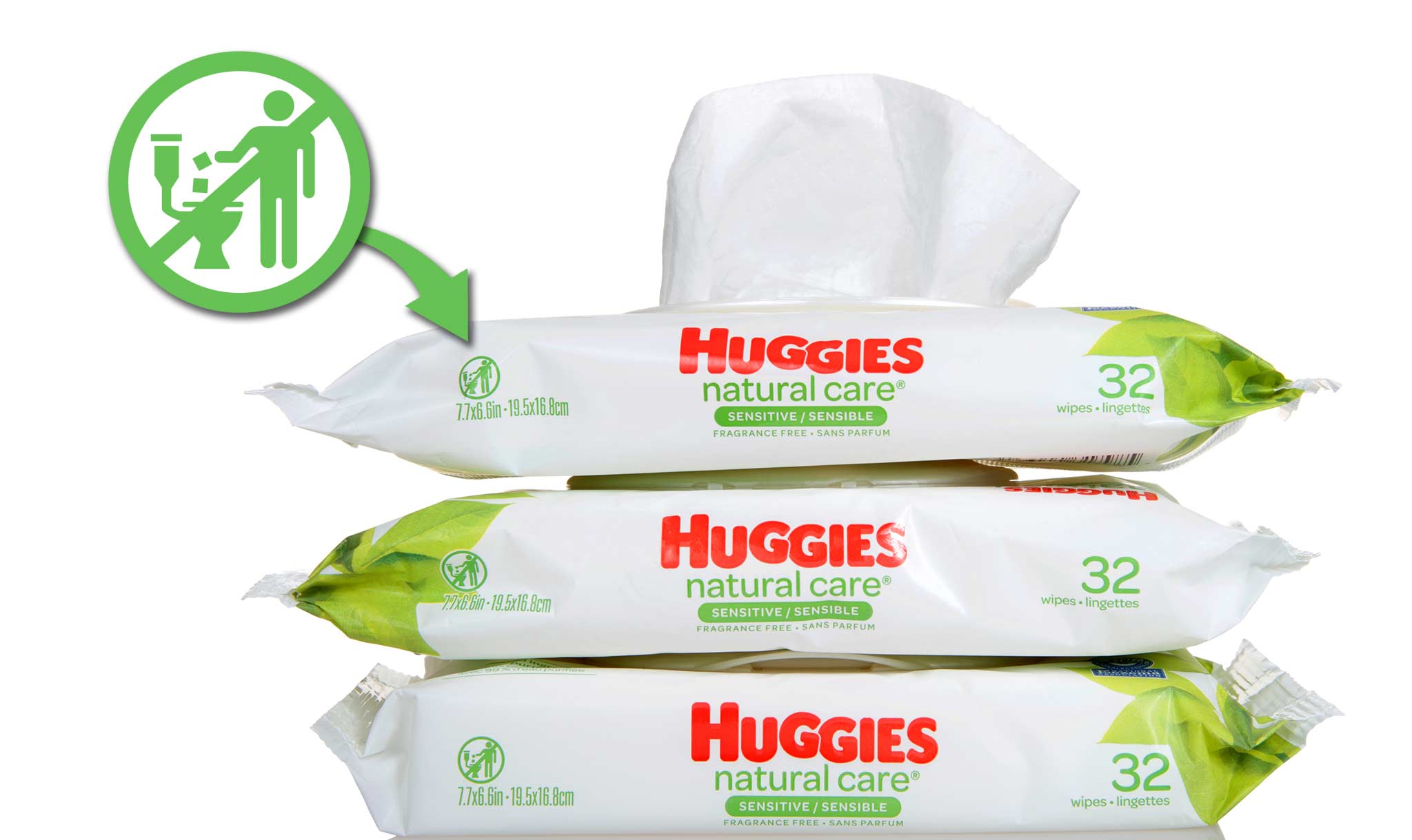
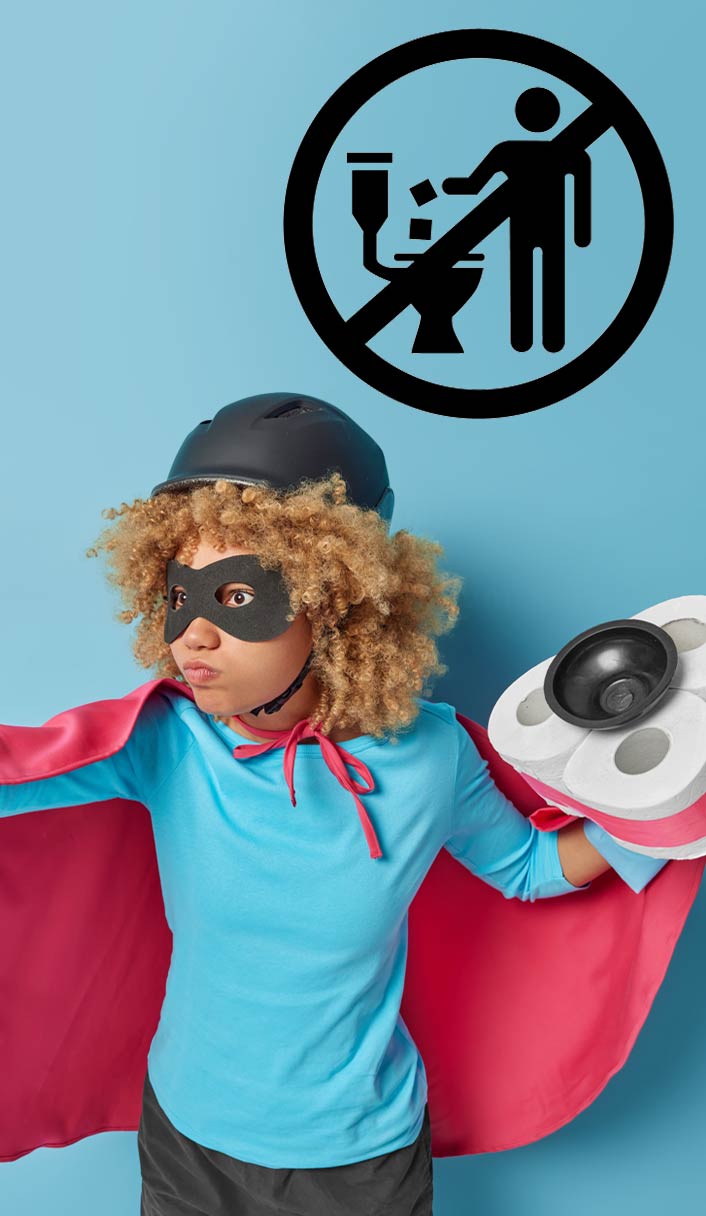
The RFA shares information about what should not go down the toilet, like nonflushable wipes. In July — and throughout the year — the group helps people to learn about a special “Do Not Flush” label. The label’s design shows someone holding a small item like a wipe over the toilet, covered by a universal “no” sign.

Most plumbing systems in developed countries, like the United States, can handle toilet paper. And some wipes are flushable, meaning that they break down in water like toilet paper does. But most baby wipes and wet wipes are the nonflushable type that don’t break down. When people flush them, they can block pipes, damage the machines that treat , and even pollute rivers and oceans.

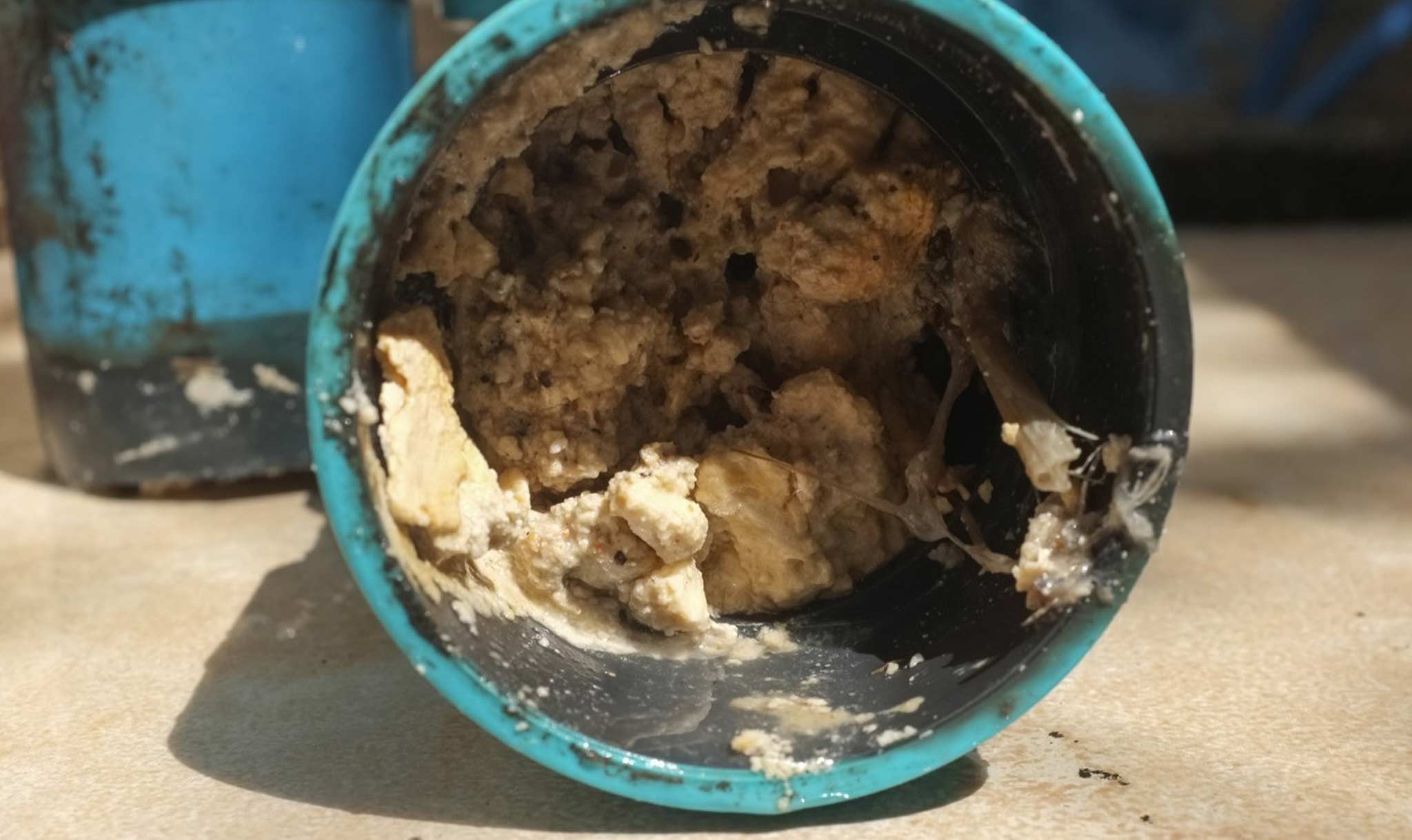
Nonflushable wipes can even combine with grease, fat, and oil that people put down the kitchen drain to create fatbergs: large, hard, smelly blobs that clog up sewage systems. American cities spend around $441 million each year removing fatbergs and fixing clogs caused by items that should not be flushed.

Some U.S. states — such as Washington, California, Oregon, Illinois, Colorado, New Jersey, and Michigan — passed laws that require the “Do Not Flush” label on nonflushable wipes. The RFA also works with other states to pass similar laws. The group aims to make sure all packages of nonflushable wipes sold in the United States show the “Do Not Flush” label.

Lara Wyss works for the RFA. She told News-O-Matic that “Potty Training for Grown-Ups” can be an opportunity for kids to teach their parents. “Kids are great at reading labels,” she said. “They can remind parents that wet wipes with the ‘Do Not Flush’ symbol always go in the trash.”

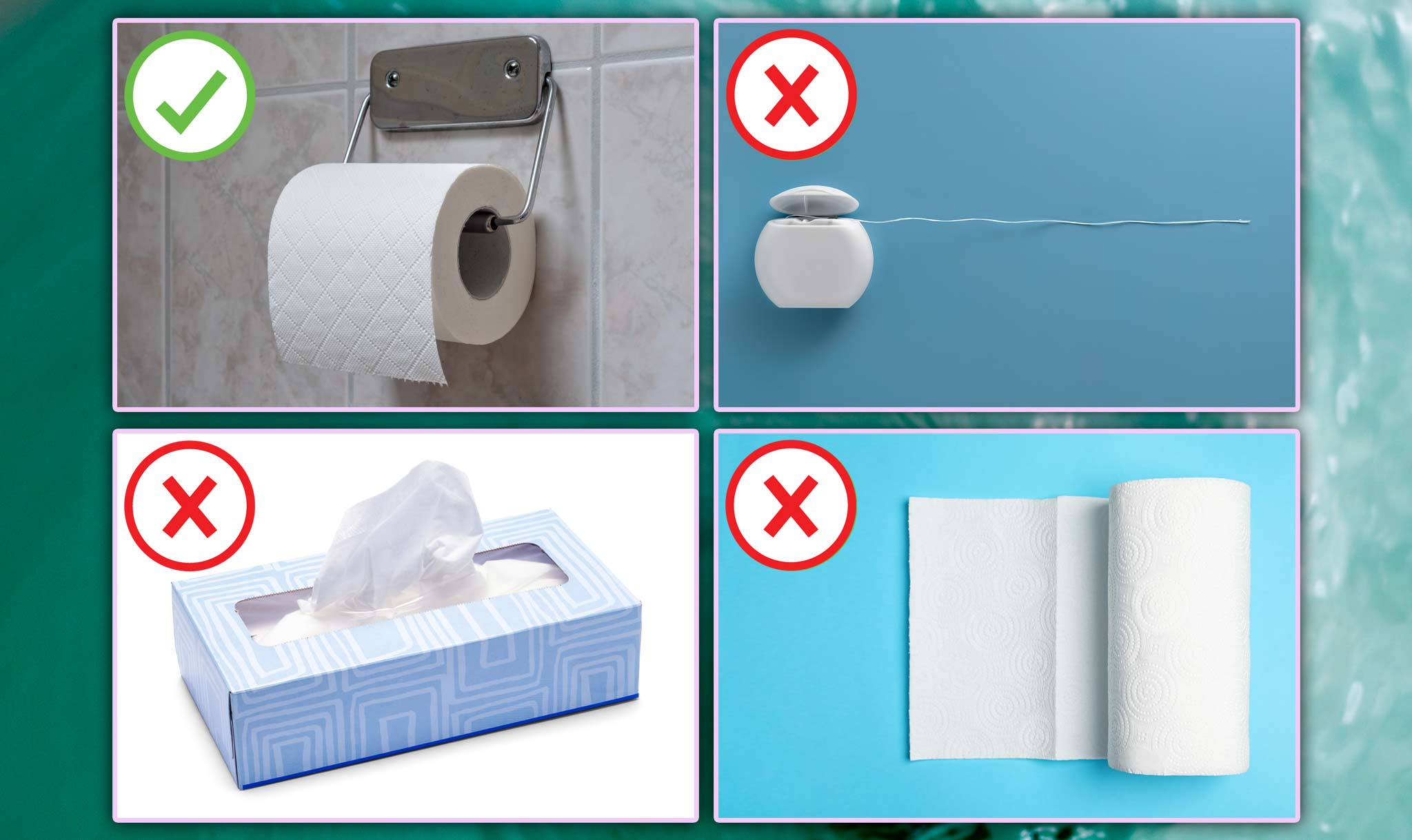
Items like floss, paper towels, and tissue can also cause clogged pipes. “Even if something can be flushed down the toilet, that doesn’t mean you should flush it,” Wyss added. “When the wrong items are flushed, it can clog home pipes, which can cost parents a lot to fix.”

So, don’t flush away these important facts, and always give what goes down the pot a second thought!

By Diana Richard
Updated June 30, 2025, 5:00 P.M. (ET)
Flush Smart Month

Learn what does and doesn’t go down the toilet.

Kids can help potty train grown-ups!

Little kids do potty training to learn how to use the toilet. Adults tell them what goes in the toilet, like pee and poop, and what doesn’t, like socks or toys. But what about grown-ups — do they need potty training too? The Responsible Flush Alliance (RFA) wants everyone to know what can and can’t be flushed. For Flush Smart Month in July, the group is doing potty training for adults!

The RFA shares information about what should not go down the toilet, like nonflushable wipes. In July — and throughout the year — the group helps people to learn about a special “Do Not Flush” label. The label’s design shows someone holding a small item like a wipe over the toilet, covered by a universal “no” sign.

Most plumbing systems in developed countries, like the United States, can handle toilet paper. And some wipes are flushable, meaning that they break down in water like toilet paper does. But most baby wipes and wet wipes are the nonflushable type that don’t break down. When people flush them, they can block pipes, damage the machines that treat , and even pollute rivers and oceans.

Nonflushable wipes can even combine with grease, fat, and oil that people put down the kitchen drain to create fatbergs: large, hard, smelly blobs that clog up sewage systems. American cities spend around $441 million each year removing fatbergs and fixing clogs caused by items that should not be flushed.

Some U.S. states — such as Washington, California, Oregon, Illinois, Colorado, New Jersey, and Michigan — passed laws that require the “Do Not Flush” label on nonflushable wipes. The RFA also works with other states to pass similar laws. The group aims to make sure all packages of nonflushable wipes sold in the United States show the “Do Not Flush” label.

Lara Wyss works for the RFA. She told News-O-Matic that “Potty Training for Grown-Ups” can be an opportunity for kids to teach their parents. “Kids are great at reading labels,” she said. “They can remind parents that wet wipes with the ‘Do Not Flush’ symbol always go in the trash.”

Items like floss, paper towels, and tissue can also cause clogged pipes. “Even if something can be flushed down the toilet, that doesn’t mean you should flush it,” Wyss added. “When the wrong items are flushed, it can clog home pipes, which can cost parents a lot to fix.”

So, don’t flush away these important facts, and always give what goes down the pot a second thought!

By Diana Richard
Updated June 30, 2025, 5:00 P.M. (ET)
Draw it AskRuss