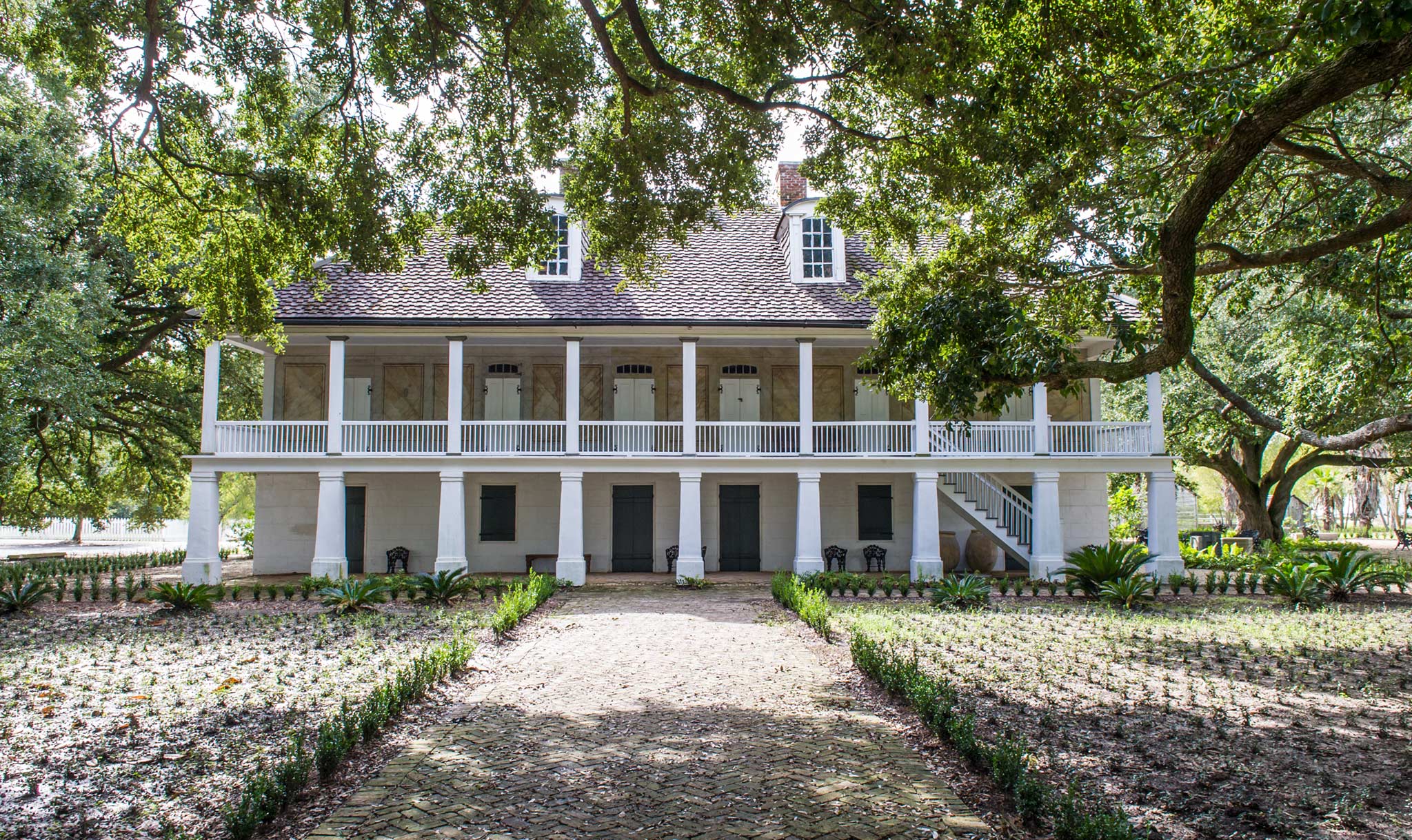
The Great River Road stretches from Baton Rouge to New Orleans, Louisiana, along the Mississippi River. Hundreds of plantation homes once lined the river, some of which stand today. Among these, the Whitney Plantation in Wallace, Louisiana, aims to educate about slavery. On February 22, it held a special event to remember the past.
Whitney Plantation — originally called Heidel Plantation — began as an indigo plantation in 1752. For more than 100 years, people were forced to work under difficult conditions to grow indigo and sugar. The plantation continued to operate after slavery was banned in 1865, with paid workers growing crops until the site closed in 1975.
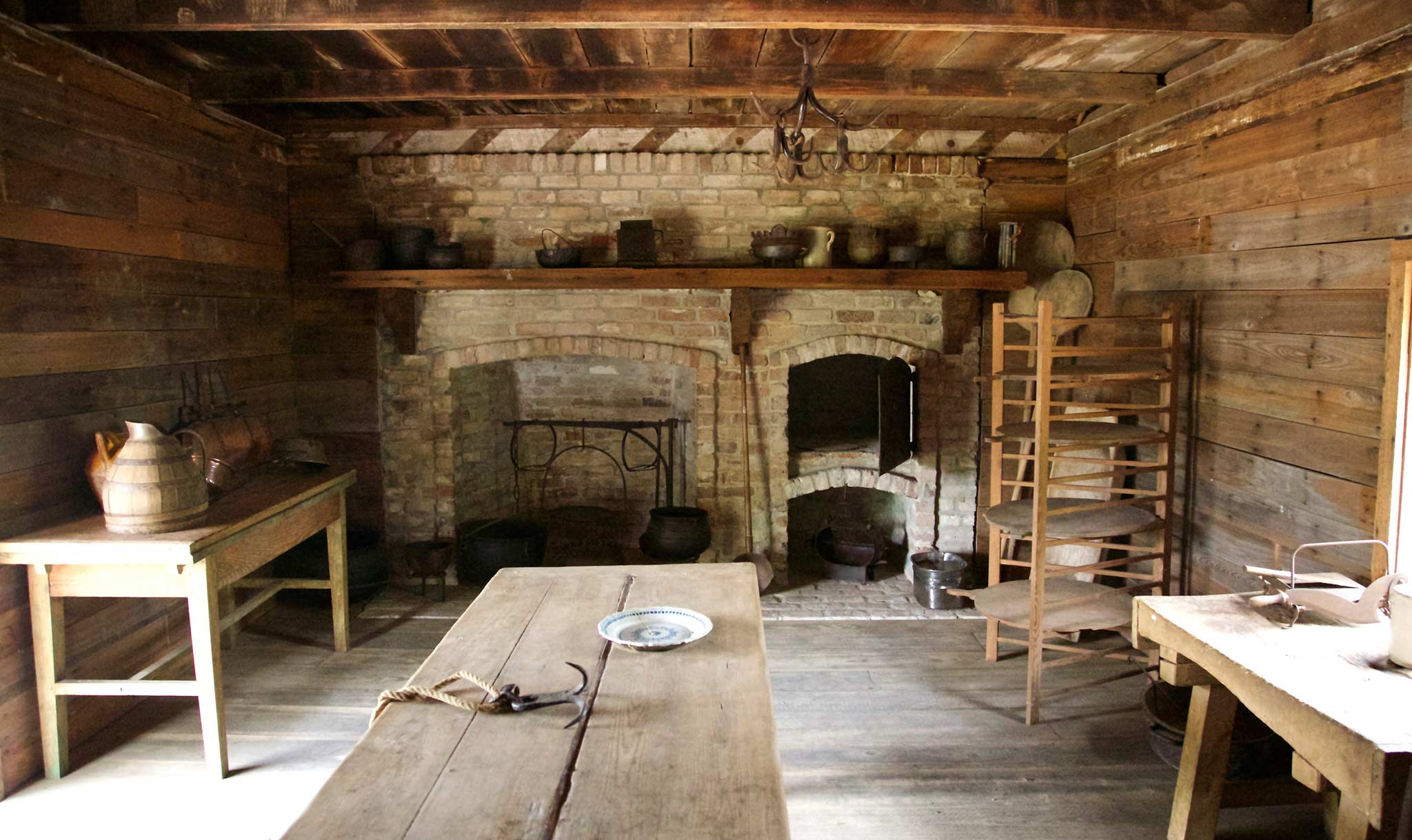
Whitney reopened in December 2014 as a museum for tours that focus on where enslaved people lived and worked. “The plantation serves as a memorial to the enslaved individuals who worked there, providing a space for education and reflection,” said Erika Hernandez, the director of education at Whitney. “Whitney honors the enslaved, recognizing the stories of those named and those who remain unnamed,” Hernandez told News-O-Matic.
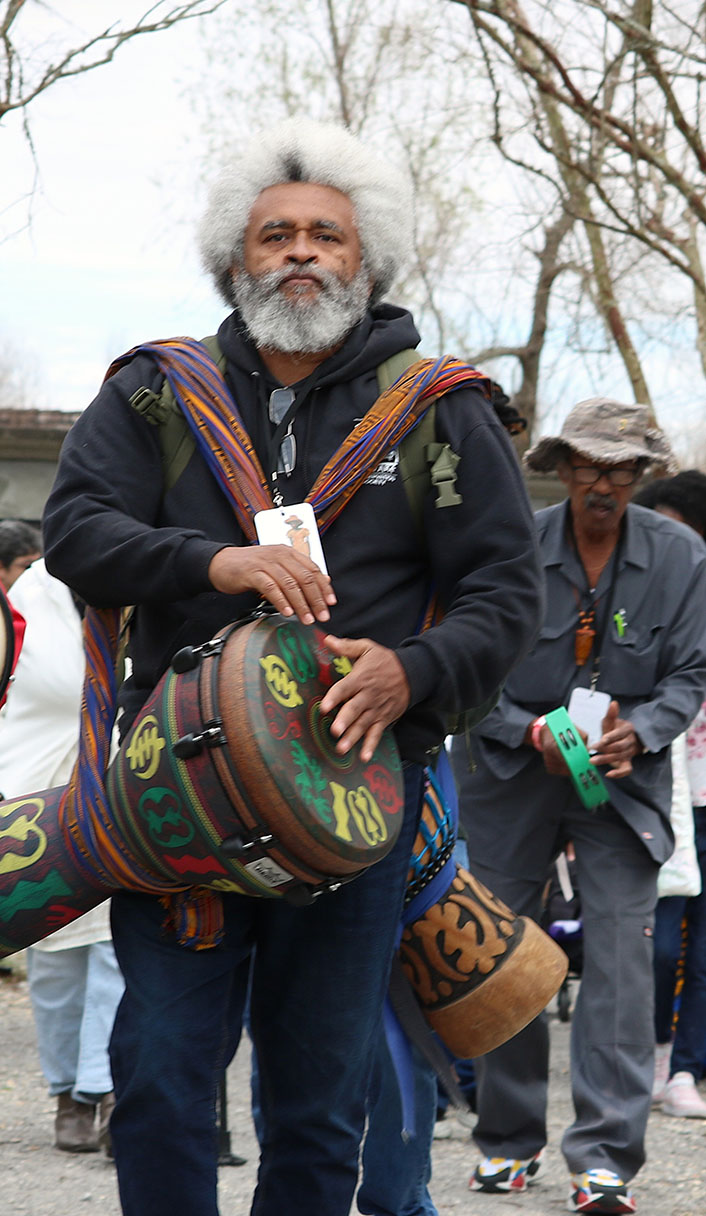
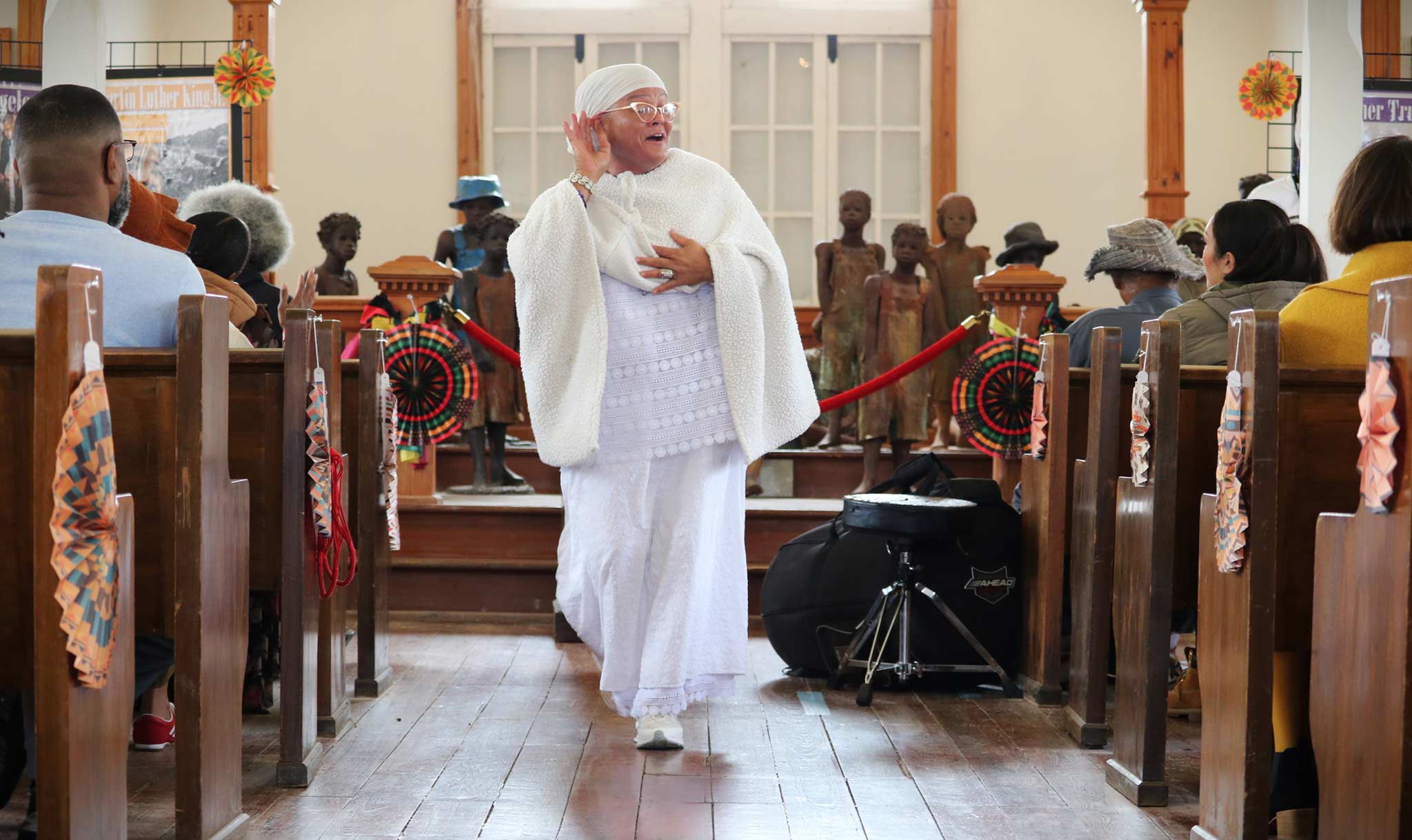
One way the Whitney Plantation honors the enslaved people of America’s past is with an annual Blessing Ceremony. The plantation held its 10th Blessing Ceremony on February 22, 2025. The free event included prayers, offerings, music, and moments of silence. Kids participated and asked questions. “The purpose is to foster a connection between the present and the past,” explained Hernandez, “promoting community understanding, respect, and healing.”
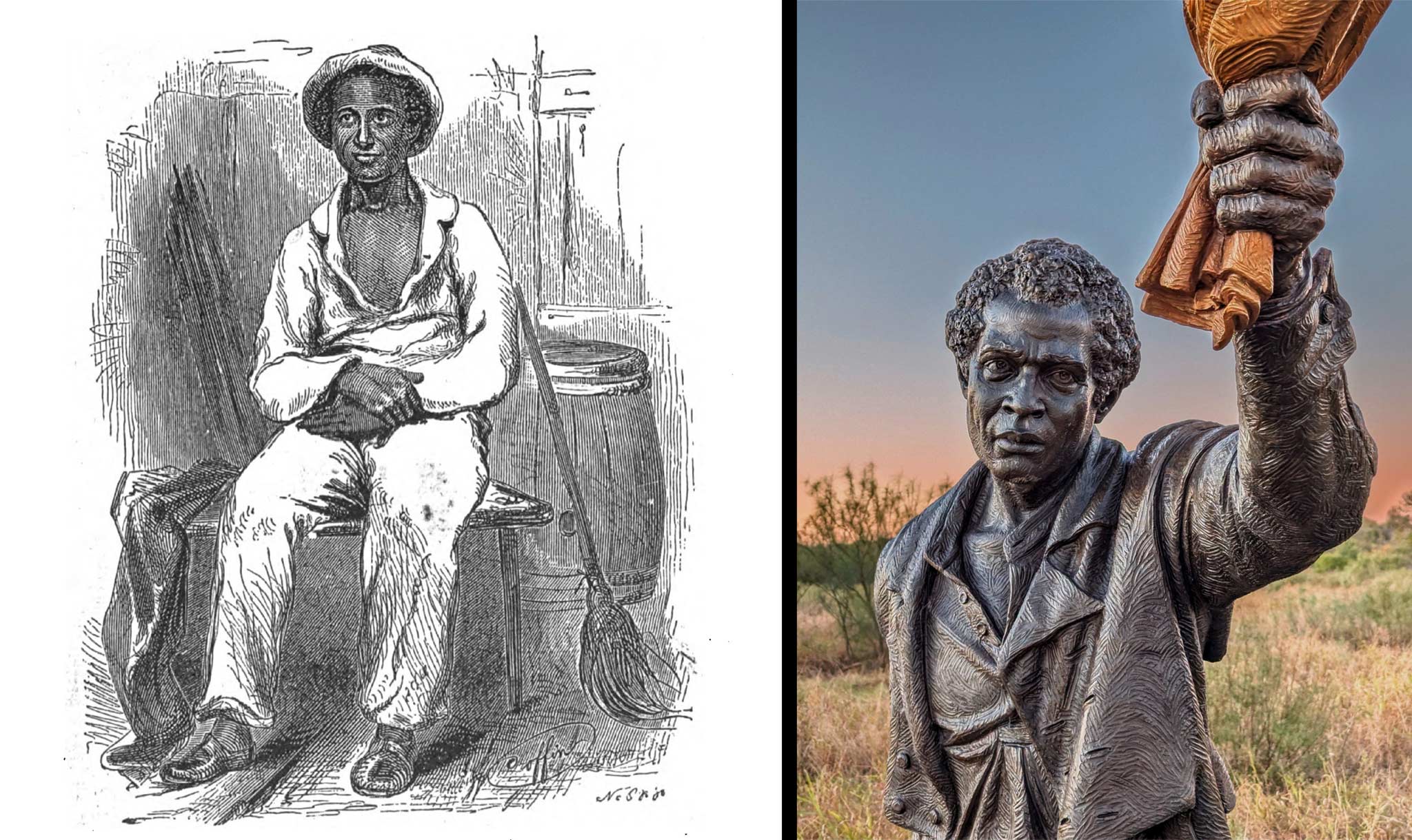
Whitney Plantation also showed the statue Hope Out of Darkness for the first time during the event. Wesley Wofford created this sculpture of Solomon Northup, a Black man who was born free in New York in 1807 but was later kidnapped and sold into slavery in Louisiana. Northup regained his freedom in 1853 and told the story of the experience in the book Twelve Years a Slave. The statue shows Northup holding a bundle of papers — a symbol of the legal that proved he was a free man.
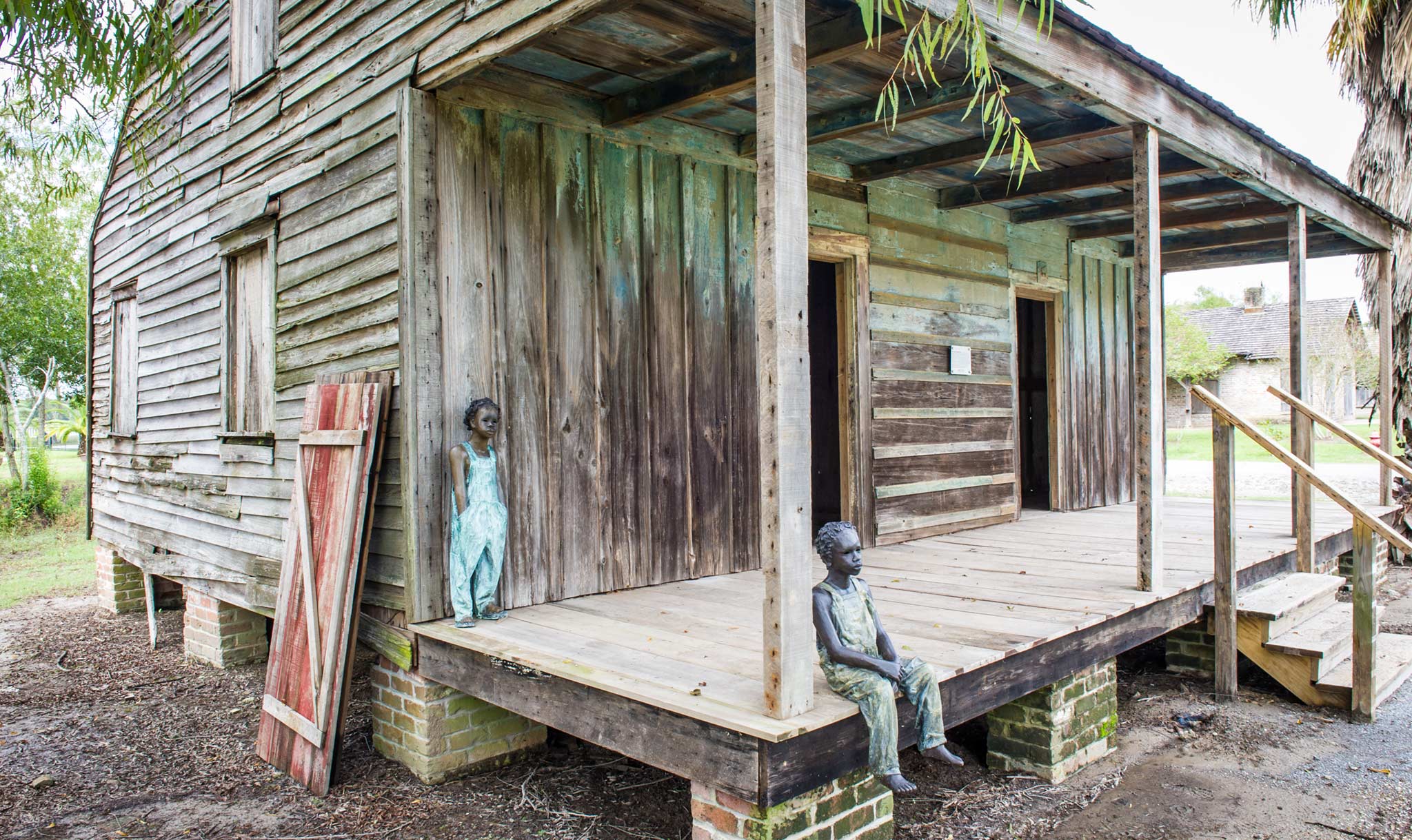
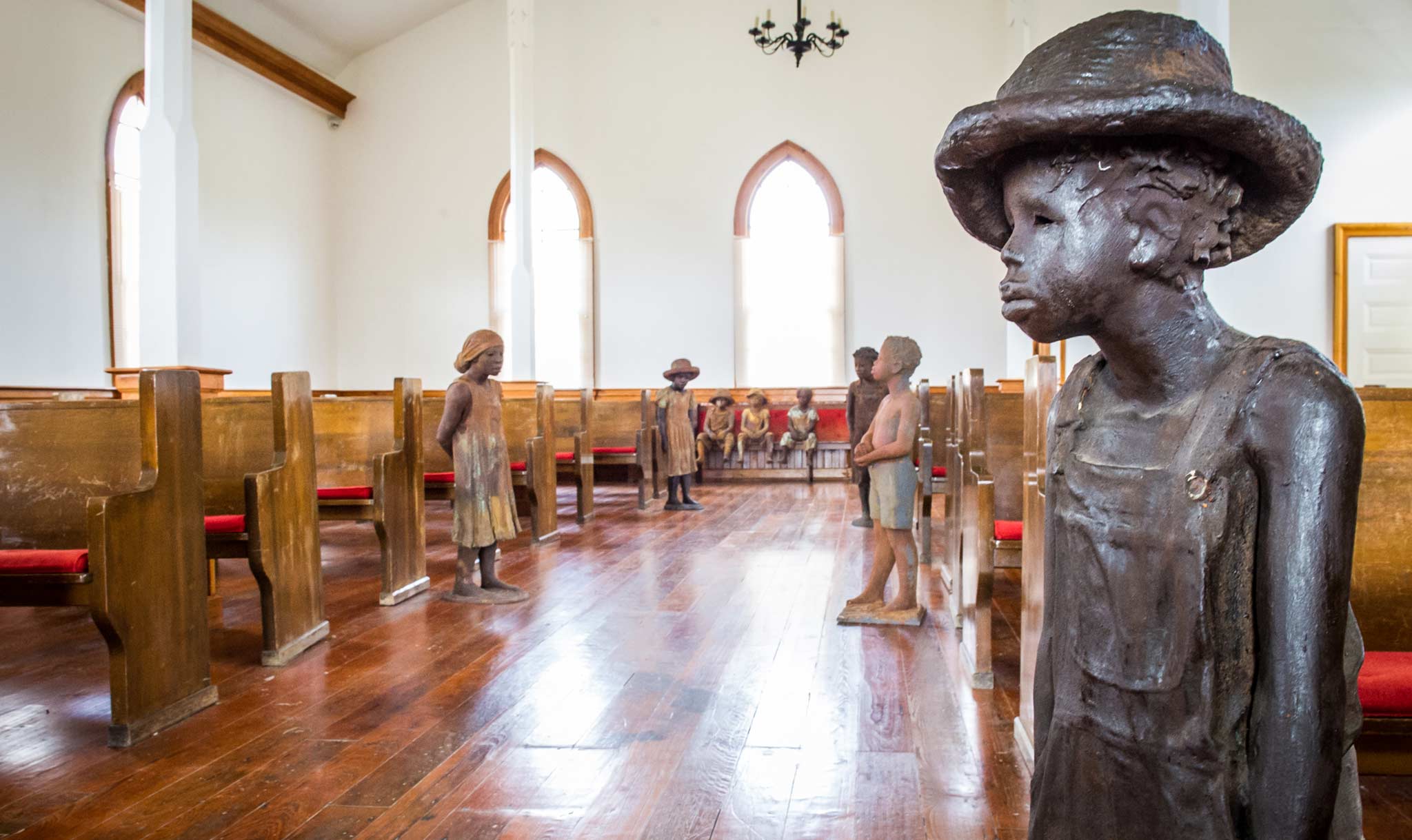
There are also statues of enslaved children on permanent display at Whitney, including some inside a church built in 1870 by former enslaved people. Artist Woodrow Nash based his work on those statues on the stories told by people who got their freedom from slavery after the Civil War. The statues help visitors connect with the real people who worked there.
Whitney welcomes visitors — including school groups — year-round. “Kids experience various emotions, including sadness, empathy, and curiosity, as they hear stories, view , and explore the grounds where enslaved people lived and worked,” Hernandez said. She continued, “Ultimately, many children leave with a deeper appreciation for the struggles and of those who were enslaved.”
By Diana Richard
Updated February 25, 2025, 5:00 P.M. (ET)