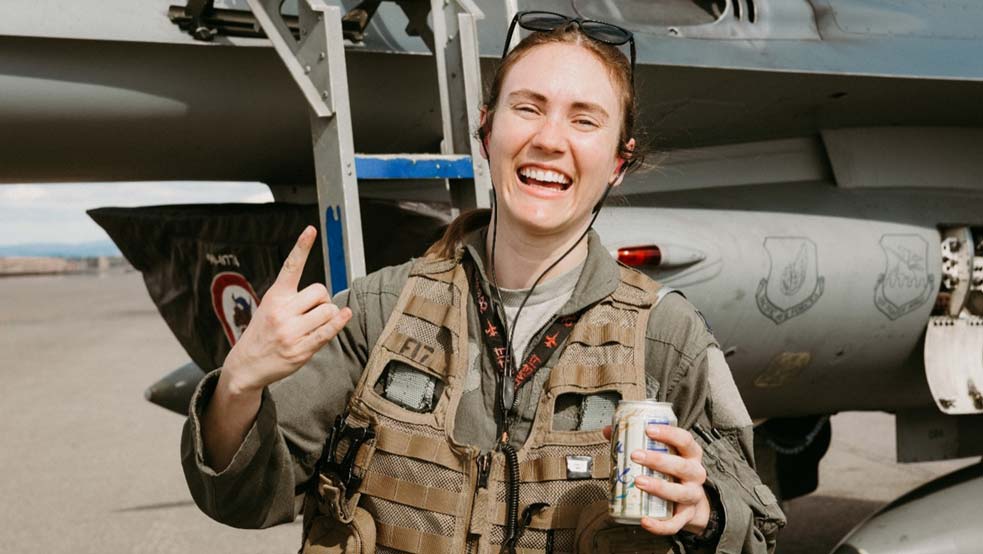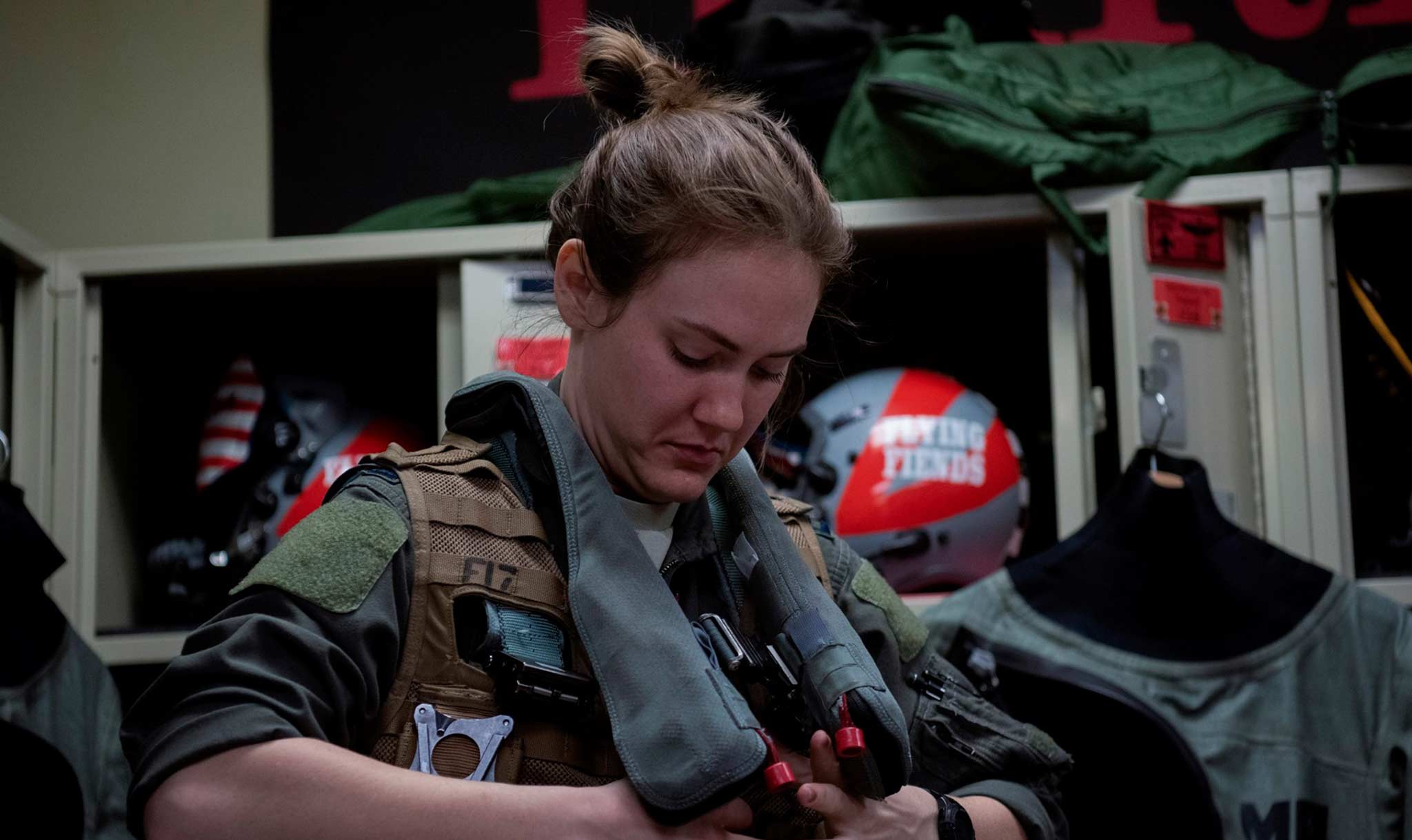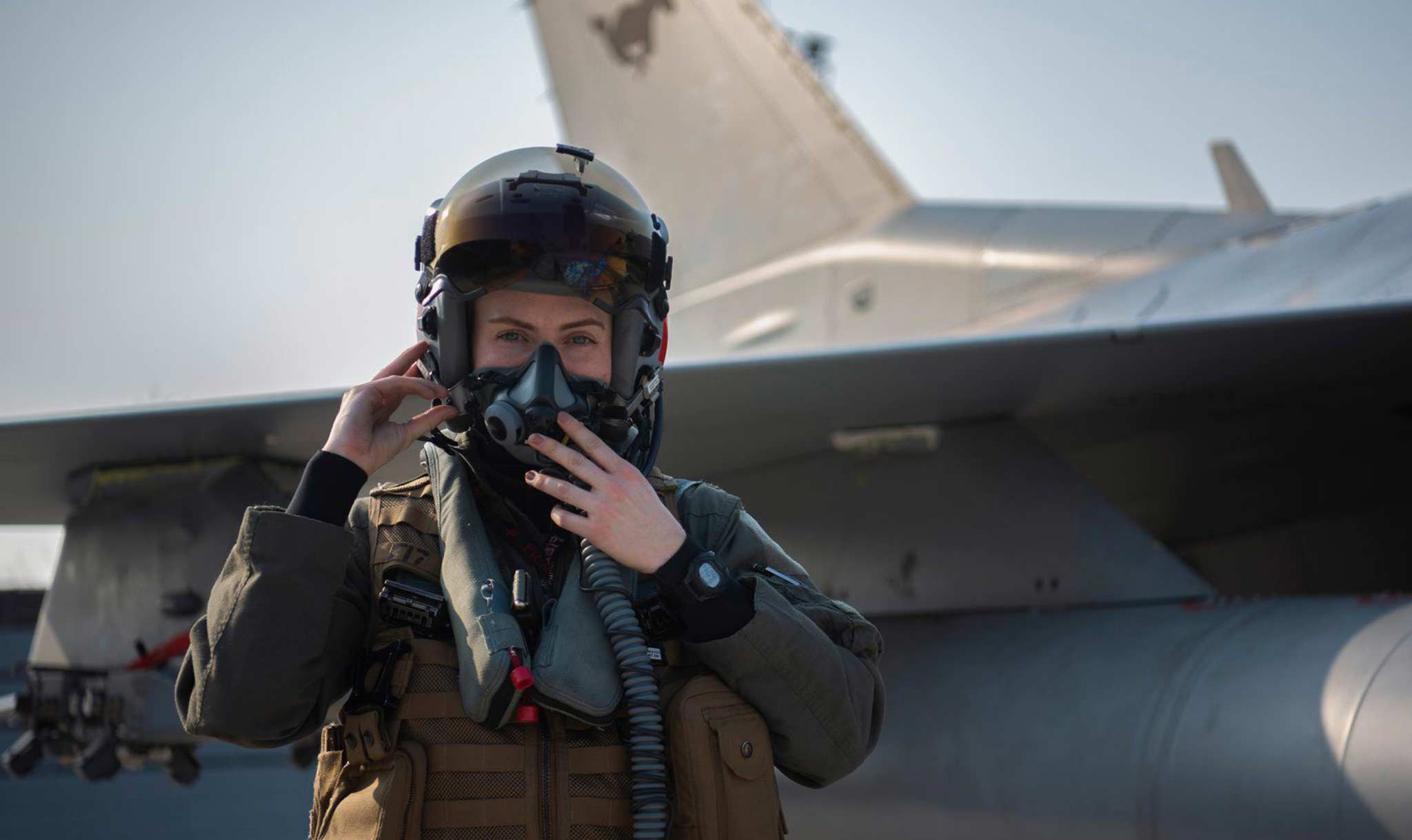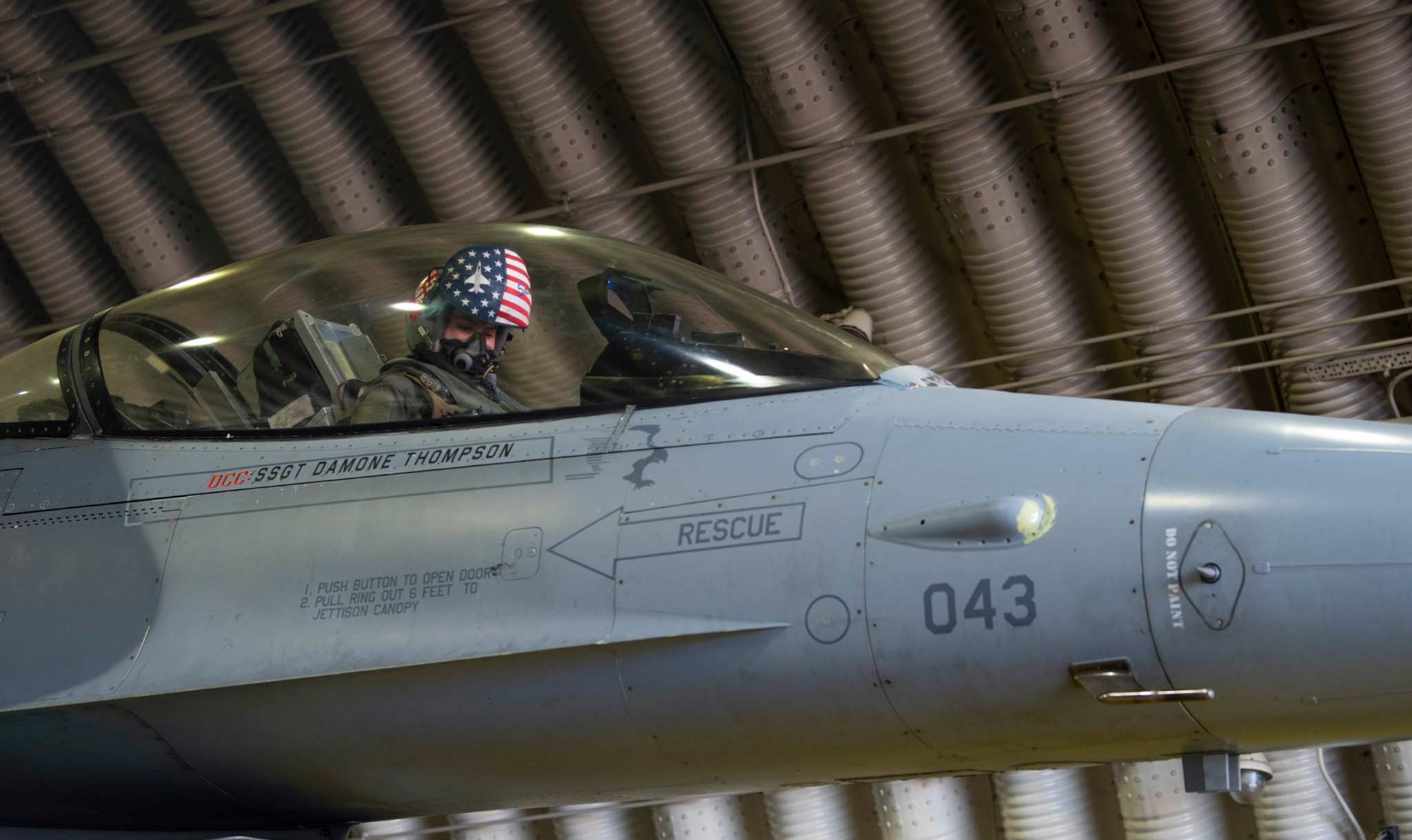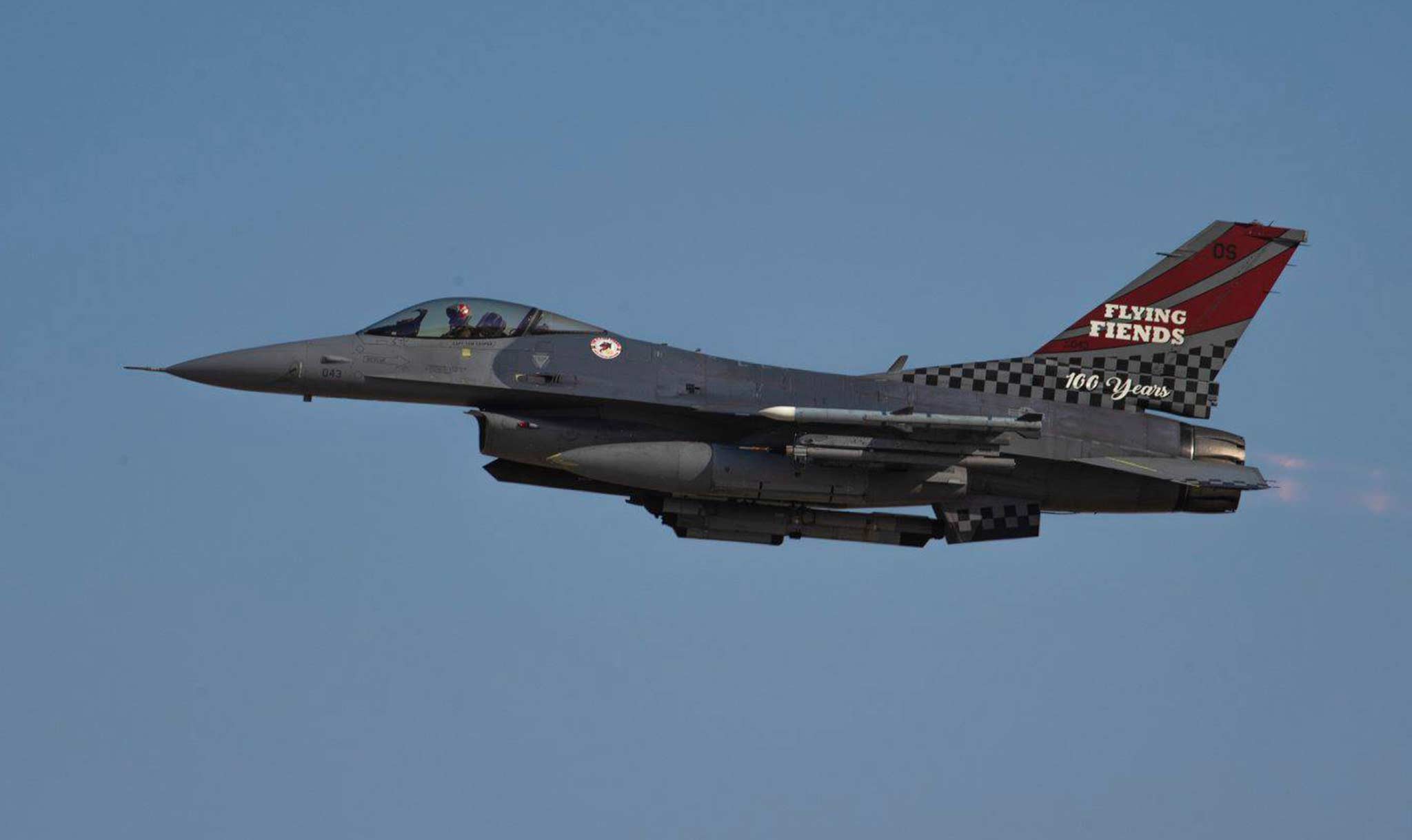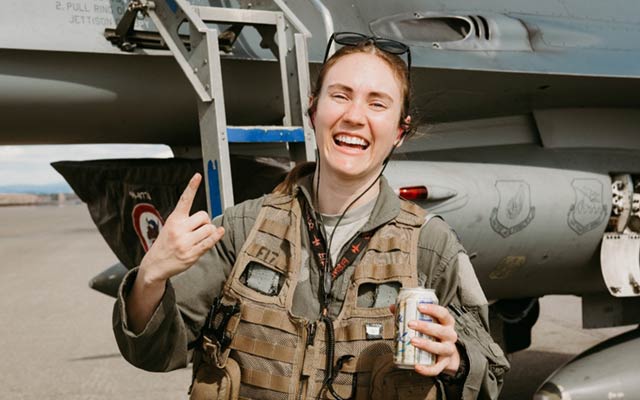
More than 1 million people work in the U.S. Armed Forces. They have jobs in one of the six branches of America’s military. Brittany “Salsa” Dippel (BD) is a fighter pilot for the U.S. Air Force. That group was founded on September 18, 1947. To celebrate its 75th , Dippel spoke to News-O-Matic (NOM) from the Misawa Air Base in Japan about her high-flying job!
NOM: Why did you want to join the U.S. Air Force?
BD: When I was in high school, I saw a movie about fighter pilots, and it was my first time seeing a female fighter pilot. I was so inspired by the character that I decided I wanted to be a fighter pilot that night.
NOM: How did you prepare to be a fighter pilot?
BD: I had no powered flight experience prior to starting pilot training with the Air Force. Instead, I relied on my study habits and work ethic. Becoming a pilot is a surprising amount of reading and memorization. Understanding how airplanes work is important, but there is far more studying involved than I had ever guessed.
NOM: What do you do as a fighter pilot in the U.S. Air Force?
BD: My main role is to fly and be the very best pilot I can be. I spend most of the week preparing, flying, and then analyzing myself and others in order to improve. At Misawa, our
mission is called SEAD. We protect friendly aircraft by destroying enemy surface-to-air missile systems.
NOM: How does it feel to fly a fighter aircraft?
BD: Have you ever ridden a rollercoaster? It feels a lot like that, just about 10 times faster.
NOM: How did you get the nickname “Salsa”?
BD: My friends at work call me “Salsa” because I love to eat chips and salsa. It’s my favorite meal! The spicier the better.
NOM: Which aircraft have you flown?
BD: I have flown four aircraft in the Air Force. First, I flew TG-16s as a student at the Air Force Academy. The TG-16 is a glider, meaning it has no engine — just extremely long, skinny wings. During pilot training, I flew the T-6 and T-38 — two different training aircraft every fighter pilot learns to fly. Lastly, I’ve been flying the F-16. My favorite of the four? The F-16! It’s the aircraft I set out to fly from the very beginning. To now actually be flying the Viper is a dream come true. I still stand with the biggest smile on my face when I see an F-16 take off and think, “I’ve got the coolest job in the world.”
NOM: Where do you work with the U.S. Air Force?
BD: I was at Osan Air Base in South Korea. However, I recently moved to Misawa Air Base, Japan. My
is the 14th Fighter Squadron, and our logo is “Fighting Samurai.” The “Fighting Samurai” are the pilots and members of the 14th Fighter Squadron at Misawa Air Base, Japan. They are my military family and the folks I spend most of my time with. I stand proudly as the squadron’s sole female fighter pilot.
NOM: What does it mean to be the only female pilot in the “Fighting Samurai”?
BD: In the 12 years I’ve been in the Air Force, I’ve grown used to being the only girl at work. It’s unfortunately still uncommon to be a female fighter pilot, but we do exist — and I have seen that number increase over the years. I hope I can inspire someone to reach for their goals, regardless of their gender, and help them realize that just because something is uncommon it is not impossible.
NOM: What has been the greatest challenge as a pilot in the U.S. Air Force?
BD: My biggest challenge is being away from family. I have gotten the opportunity to live, travel, and fly all over the world. It has been the most fantastic experience, but it is difficult being away from loved ones.
NOM: What’s your favorite part of being a pilot in the U.S. Air Force?
BD: The moment when you feel the afterburner kick in, the jet
down the runway, and the ground shrinks beneath you as you hurtle into space. That’s the best part.
NOM: You’ve taught students to become fighter pilots. What skills do people need to make great pilots?
BD: The best students I’ve taught are the ones humble enough to accept feedback on how to be better. Natural skill, athleticism, and academic ability all help. However, it was the students that never gave up and tried to improve that made the best pilots.
NOM: What advice would you give a student who wanted to be a pilot?
BD: I have two pieces of advice. The first is to realize you will fail, but that you must try to learn from the failure and improve. You will never have a perfect flight. There will be mistakes, and you’ll want to beat yourself up about them. I’m guilty of this. But accept the failure as a chance to learn. The day you have a perfect flight is the day you stop flying.
The second thing? Be a fighter pilot. It’s awesome!
Updated September 16, 2022, 5:03 P.M. (ET)
By Russell Kahn (Russ)