Imagine riding your bike along a path. Suddenly, a flock of sheep crosses in front of you! You stop and wait as hundreds of woolly animals pass by. It might seem strange, but in Ketchum, Idaho, meetings like this often happen — and inspired the start of a yearly festival.
About 30 years ago, sheep crossing a new bike path caused a problem. Some cyclists complained about the animals and the mess they left behind. Instead of arguing, local
John Peavey invited people to learn about sheep ranching and watch the animals travel. Those small gatherings eventually grew into the Trailing of the Sheep Festival, which celebrated its 30th anniversary from October 7 to 11, 2026.
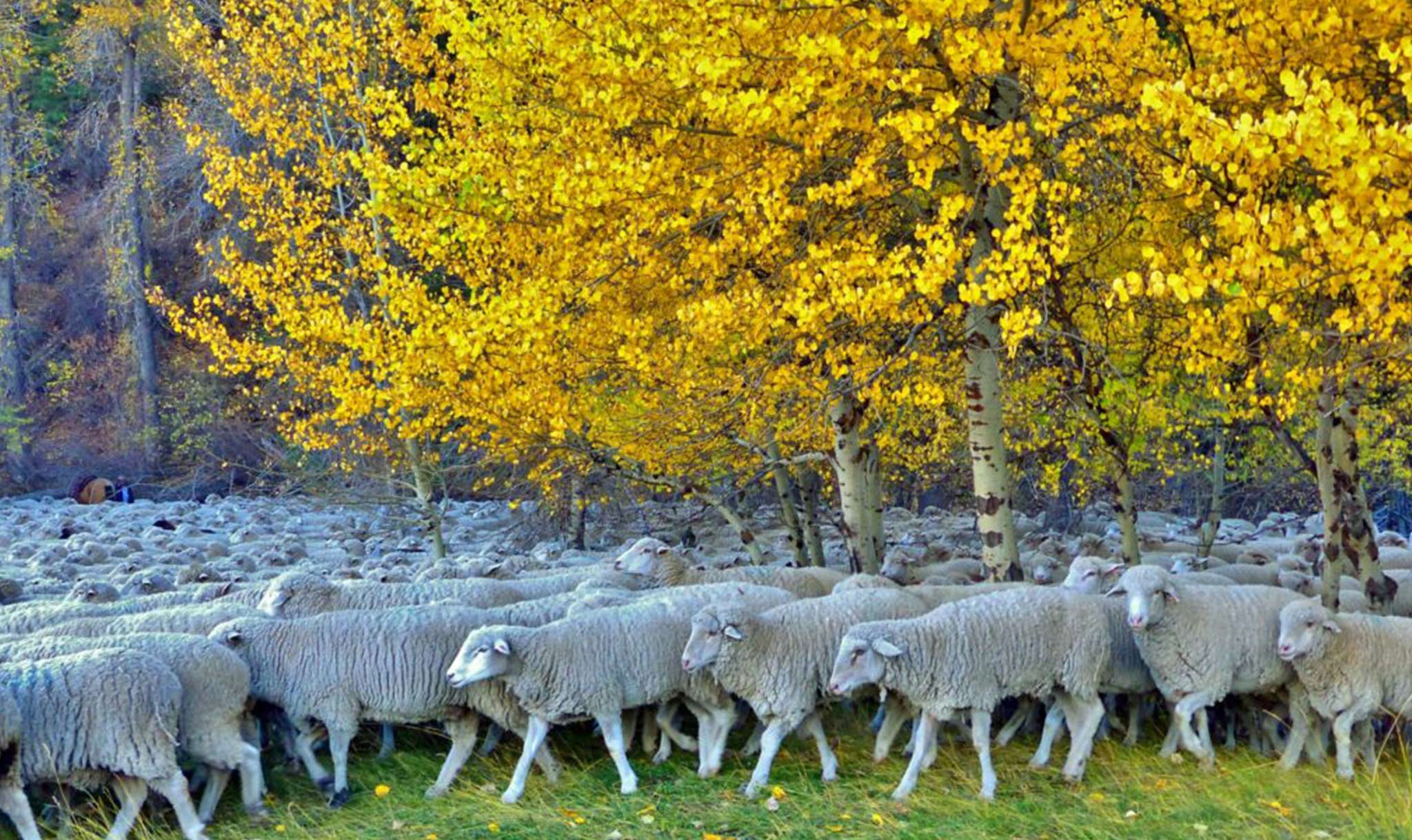
The five-day festival celebrates the animals that helped build the community. For more than 150 years, ranchers have raised sheep in Idaho's Wood River Valley. Each summer, some ranchers move their sheep north into the mountains to graze on grass. When colder weather arrives, the sheep travel south to find food for winter. Moving sheep from place to place on foot is called trailing.
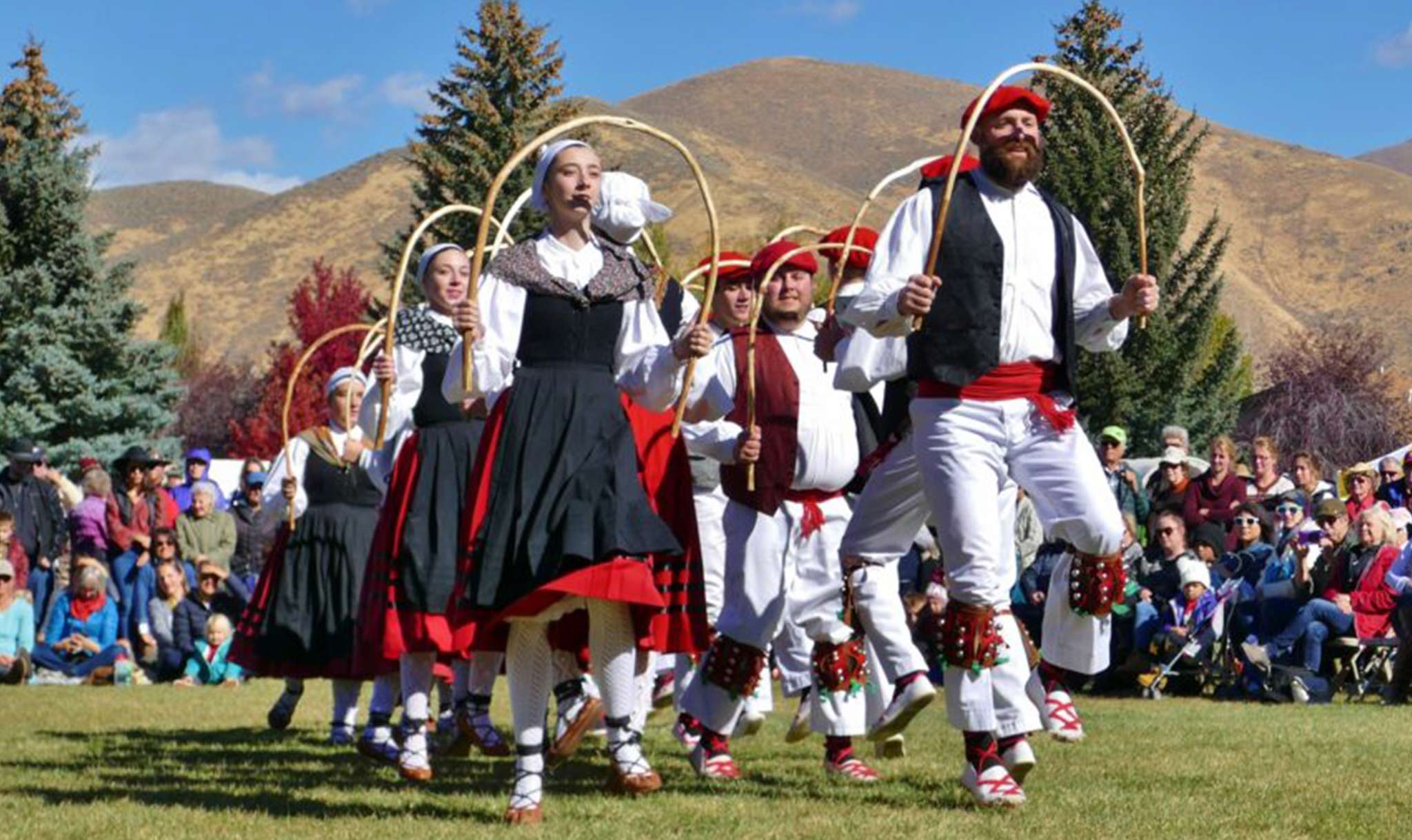
The event also honors cultures connected to sheep ranching with traditional music and dancing from Basque, Peruvian, Scottish, and Polish performers. In the late 1800s and early 1900s, many Basque immigrants from Spain and France came to Idaho to work as sheep herders. Today, many of the region’s sheep herders come from Peru, a country in South America.
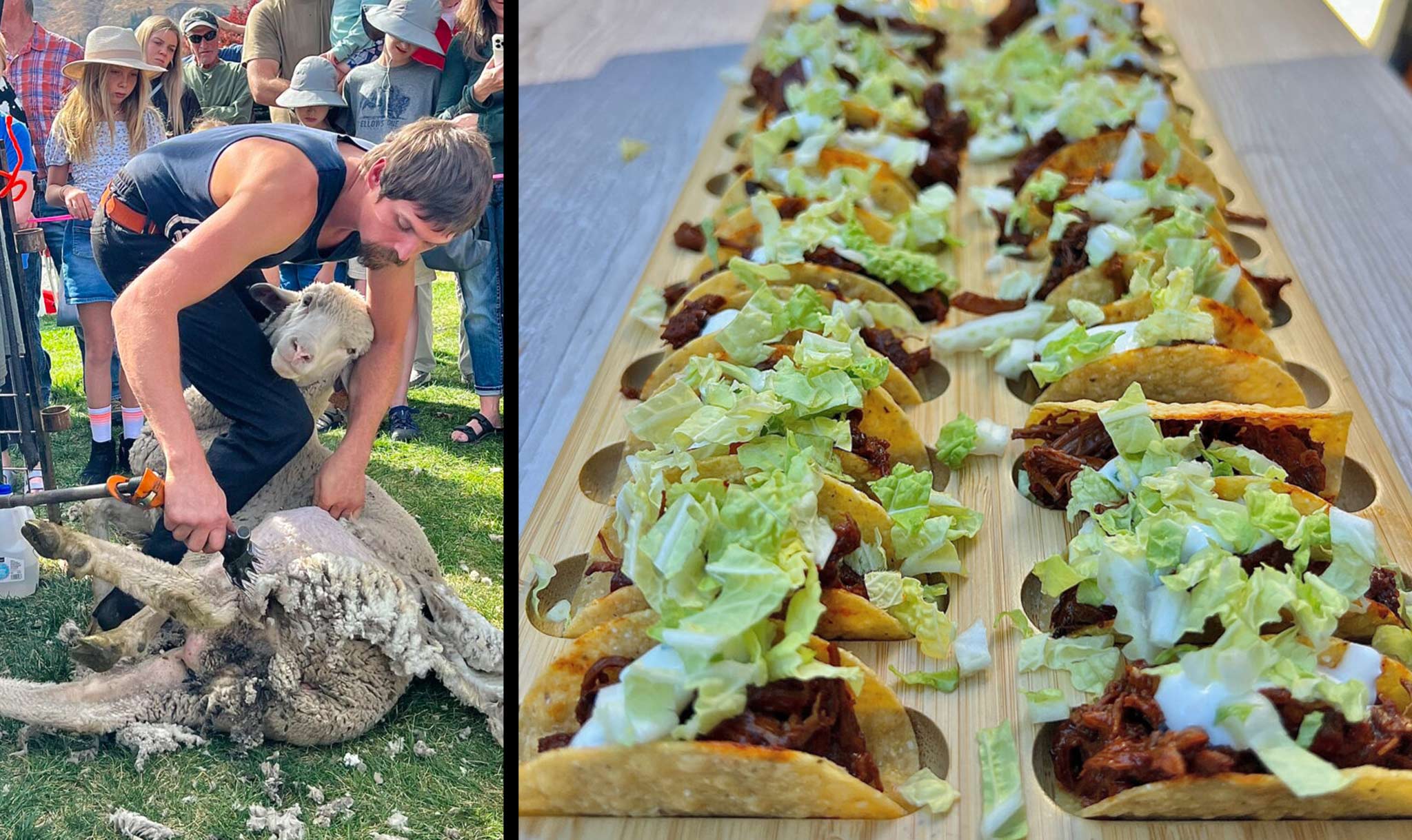
The event included sheep-
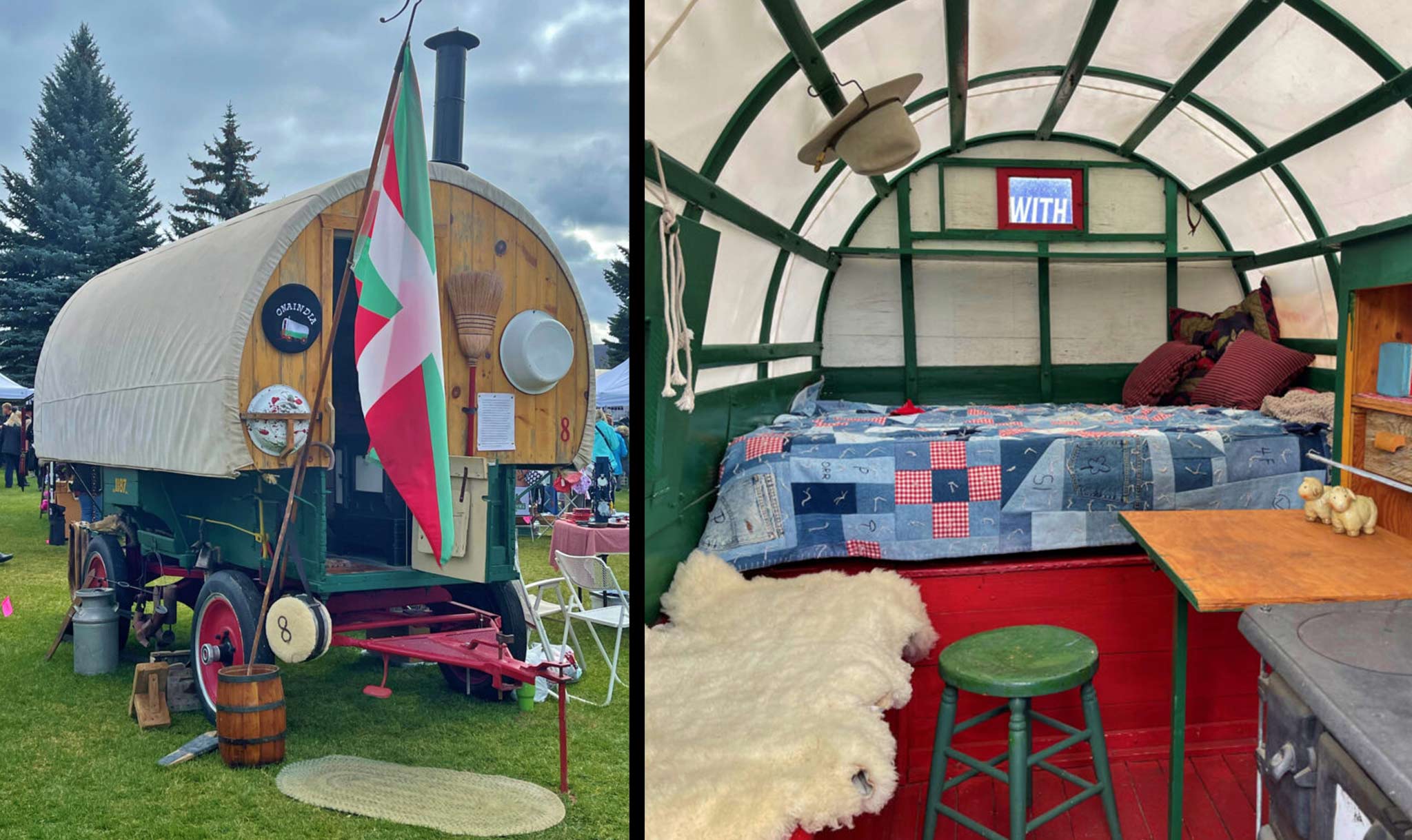
demonstrations and dishes made from lamb. People took classes on making felt, spinning wool, weaving, and making cheese from sheep’s milk. People also explored sheep camps, small covered wagons that give herders a place to sleep, cook, and store food while caring for sheep.
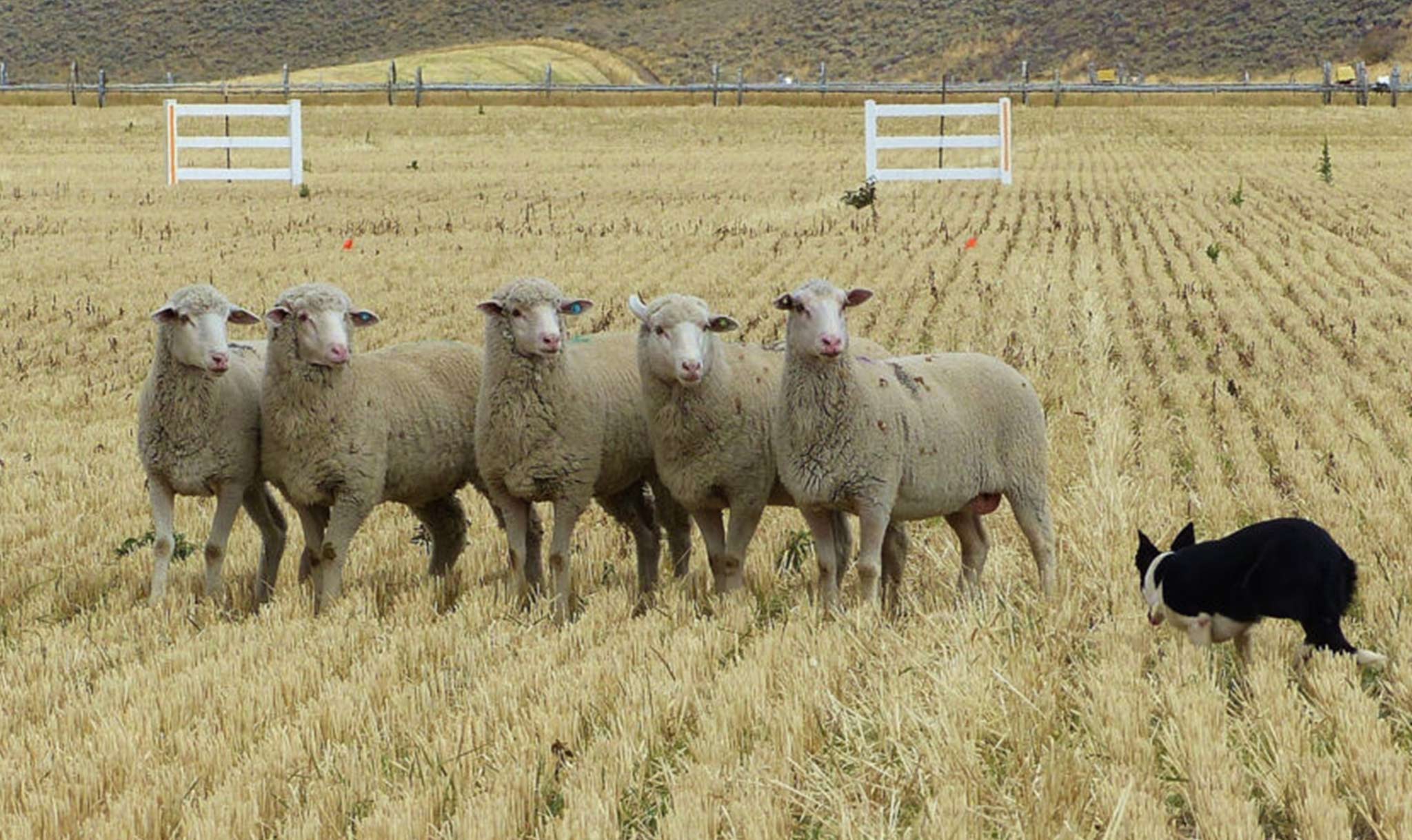
Another popular event featured sheepdogs showing off their herding skills. Trained dogs followed whistle commands to guide small groups of sheep through a course and into a pen. The winning dogs earned points toward qualifying for national
.
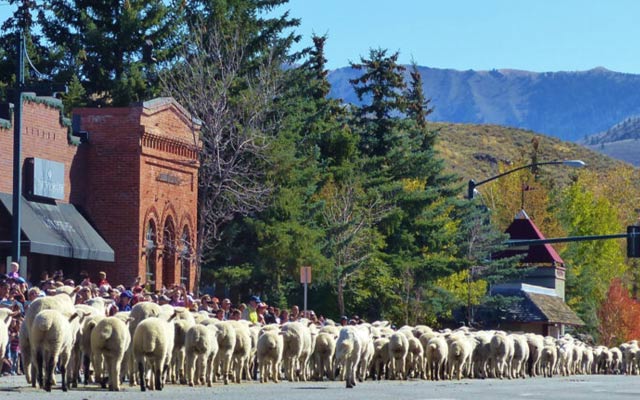
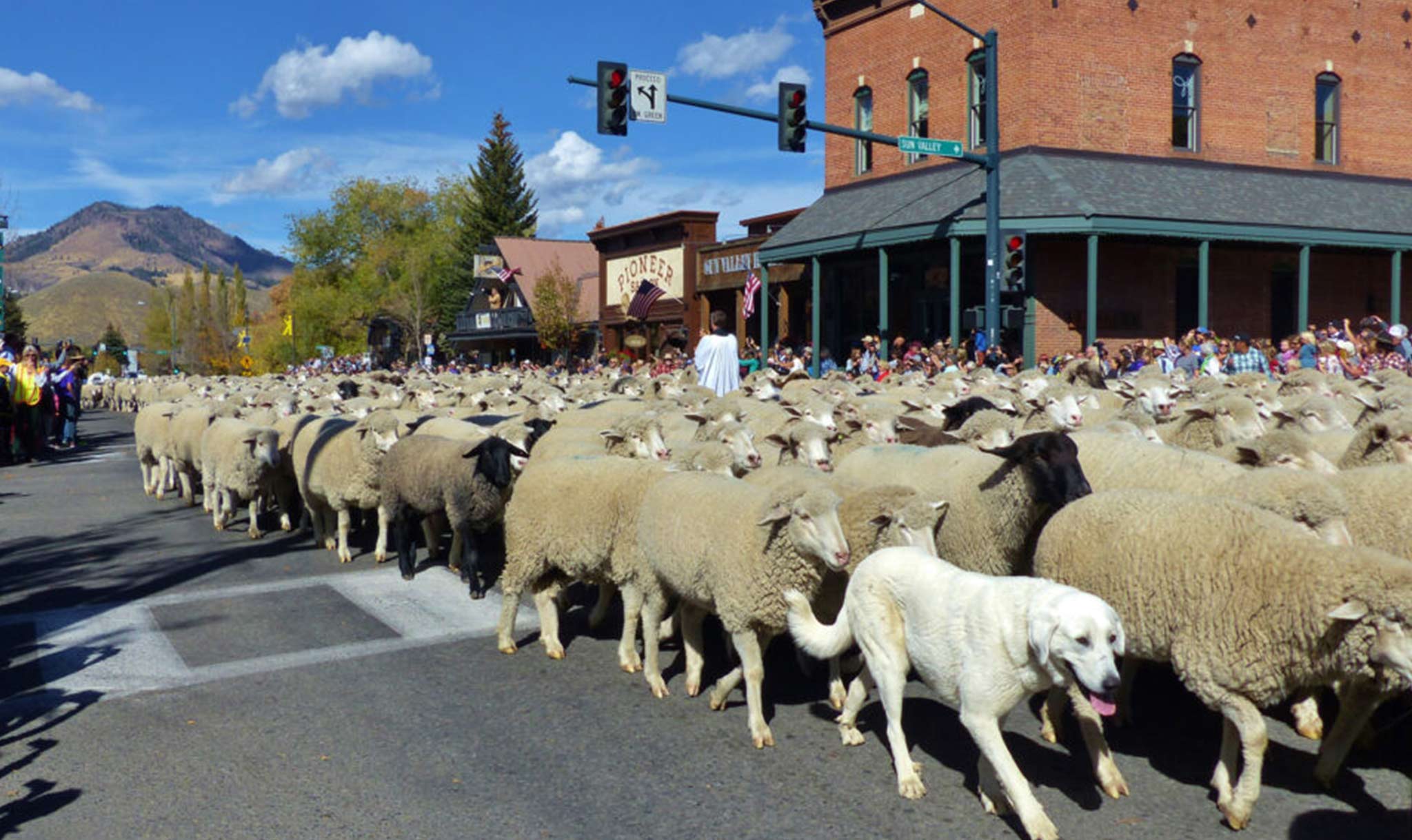
The biggest attraction was Sunday’s Big Sheep Parade, when thousands of
lined Ketchum’s Main Street. First came groups of dancers. Then, as the “wall of wool” — a band of about 1,000 sheep — approached, everyone grew quiet so the animals wouldn’t get frightened.
“There’s something pretty majestic about watching 12,000 people fall silent and just hear these hooves trot down the street,” festival director Laura Drake told News-O-Matic.
The celebration helps people understand why sheep still cross the bike path as they travel between mountain grazing areas in summer and lower areas in winter. It also keeps alive a history that might otherwise disappear. Today, Ketchum is better known for skiing, but sheep ranching helped build the town by providing jobs, and shipments of wool and sheep helped support the railroad.
Drake added, “If you don’t know the history of sheep here, you’ve lost some of the history of the community in which you’re living.”
By Diana Richard
Updated October 12, 2026, 5:00 P.M. (ET)
Sources
Photo Credits:
All: Carol Waller, Trailing of the Sheep Festival
Video: Trailing of the Sheep Festival, music by GoldenSoundLabs/Pixabay
Citations:
“History — Trailing of the Sheep Festival.” trailingofthesheep.org. Accessed 9 Oct 2026.
“Idaho’s Iconic Trailing of the Sheep Festival Celebrates 30 Years in 2026.” Press Release. 1 Jun 2026.
Richard, Diana. Interview with Laura Drake. Zoom. 8 Oct 2026.
“Schedule — Trailing of the Sheep Festival.” trailingofthesheep.org. Accessed 9 Oct 2026.
“Trailing of the Sheep Wraps Up.” kmvt.com. 11 Oct 2026.